
Paddling the Silver River between Argentina and Uruguay
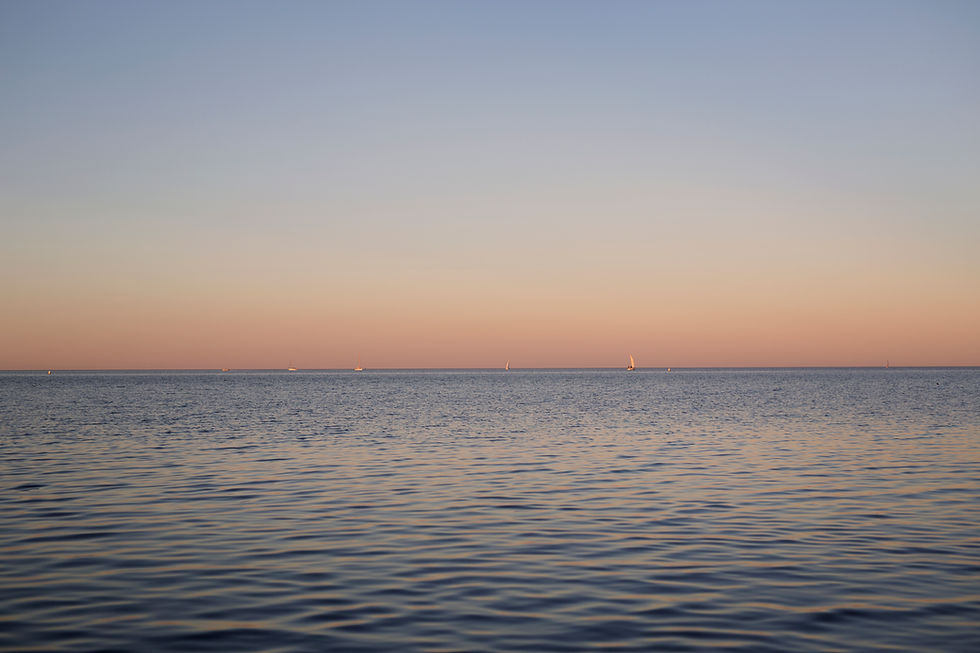
Río de la Plata, meaning “River of Silver” in Spanish, looks nothing like a river. Actually, it is the widest river in the world with a maximum width of 220 kilometers feeling more like an ocean. By some geographers, it is even considered to be a marginal sea of the Atlantic Ocean. When looking at it from its southern shore, Buenos Aires, you will not see Uruguay at the other side at all.
Kayak hire
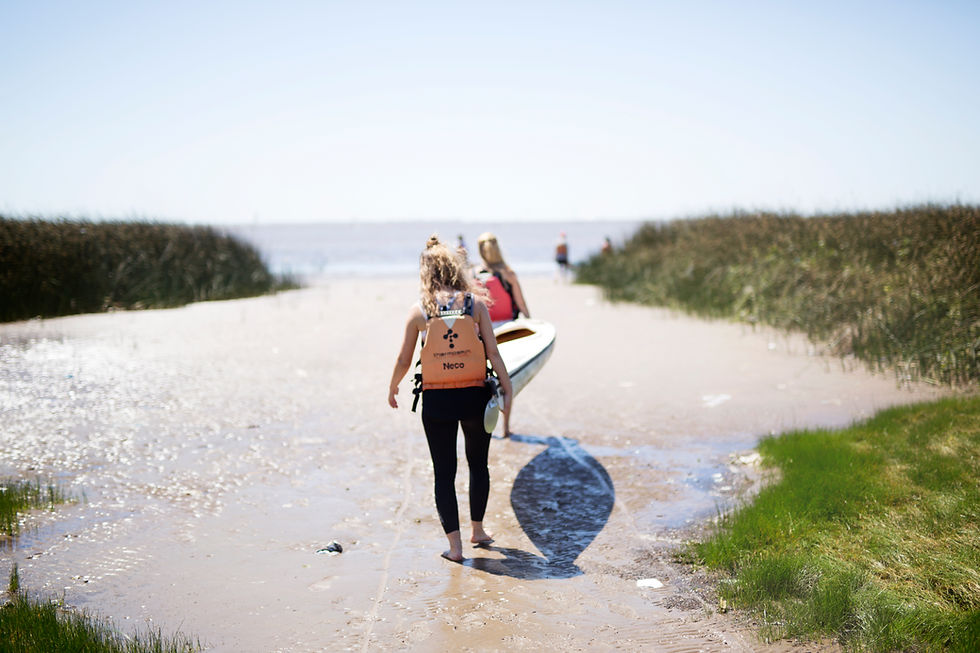
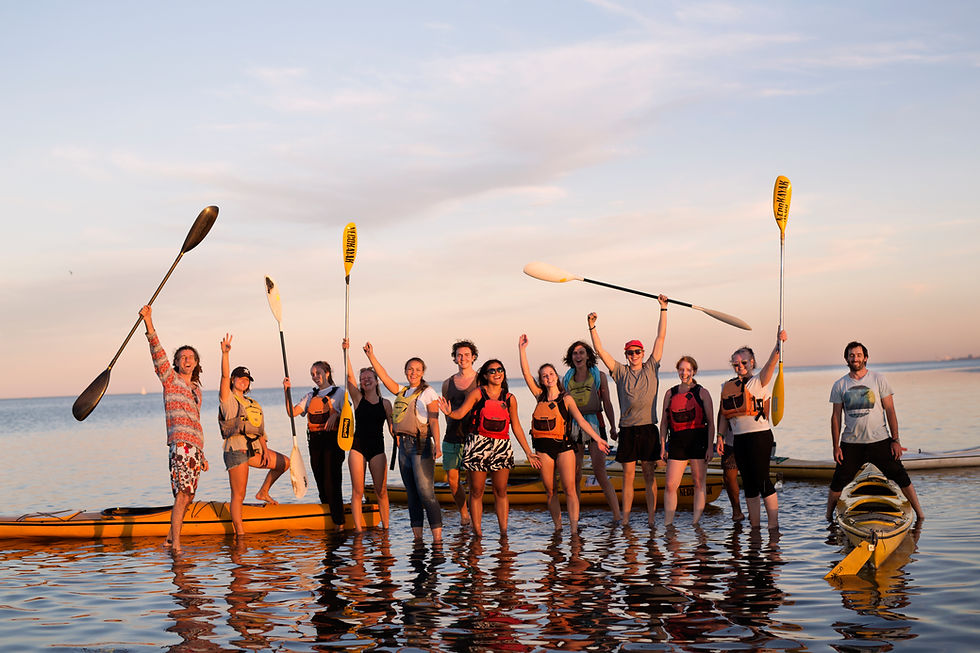
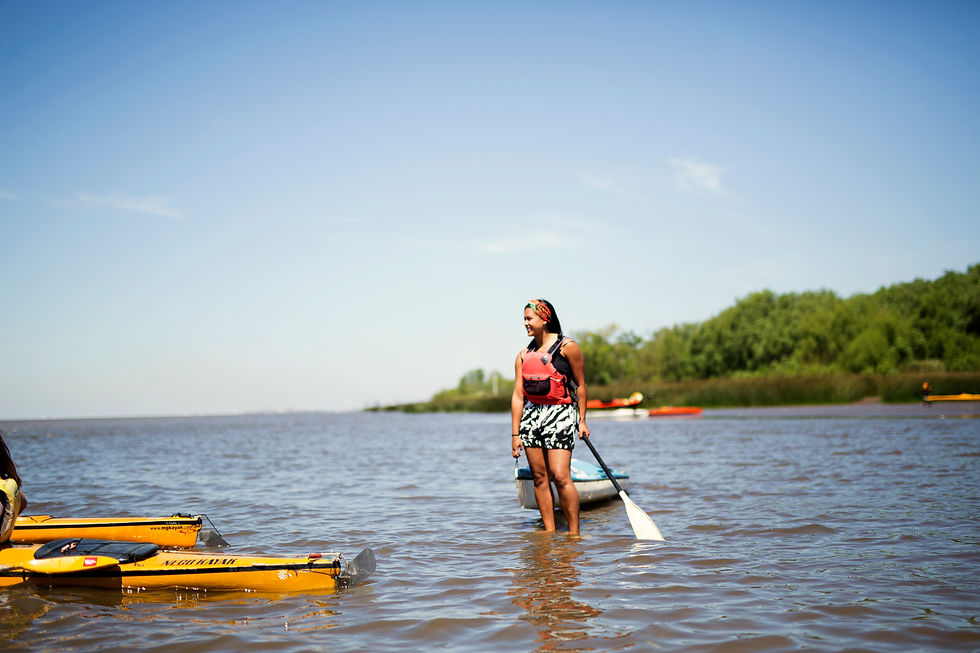
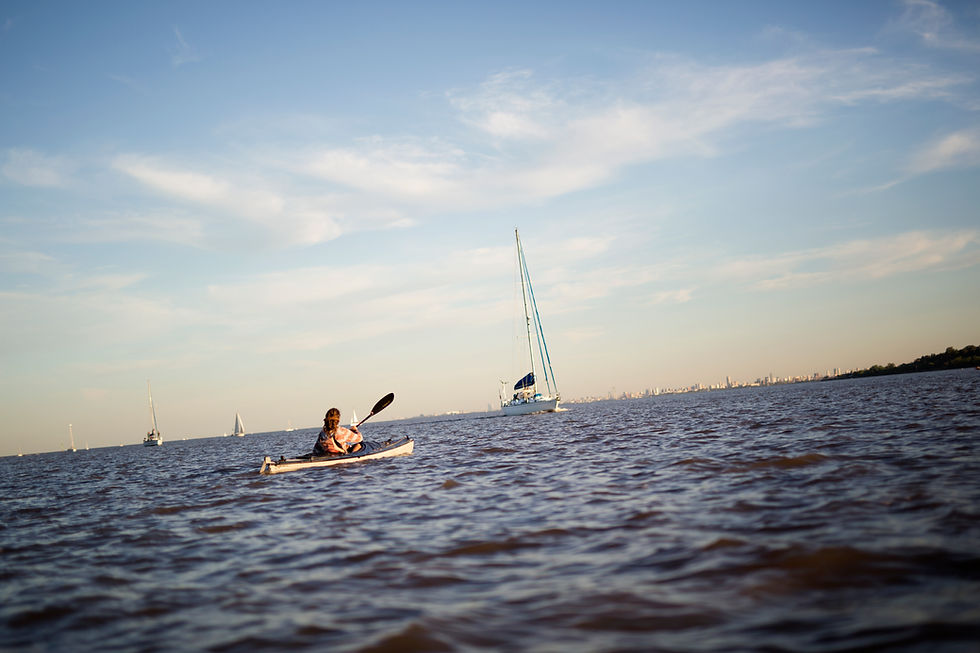
This Saturday the field manager Eduardo arranged for the Kulturstudier students to go kayaking on this river. The students met at the train station in the heart of Buenos Aires. From there, the train takes about 30 minutes to get to Acassuso train station. There, on the sleepy banks of the river, you can hire kayaks and go explore the slightly red waters full of kite surfers, sailers and oarsmen.
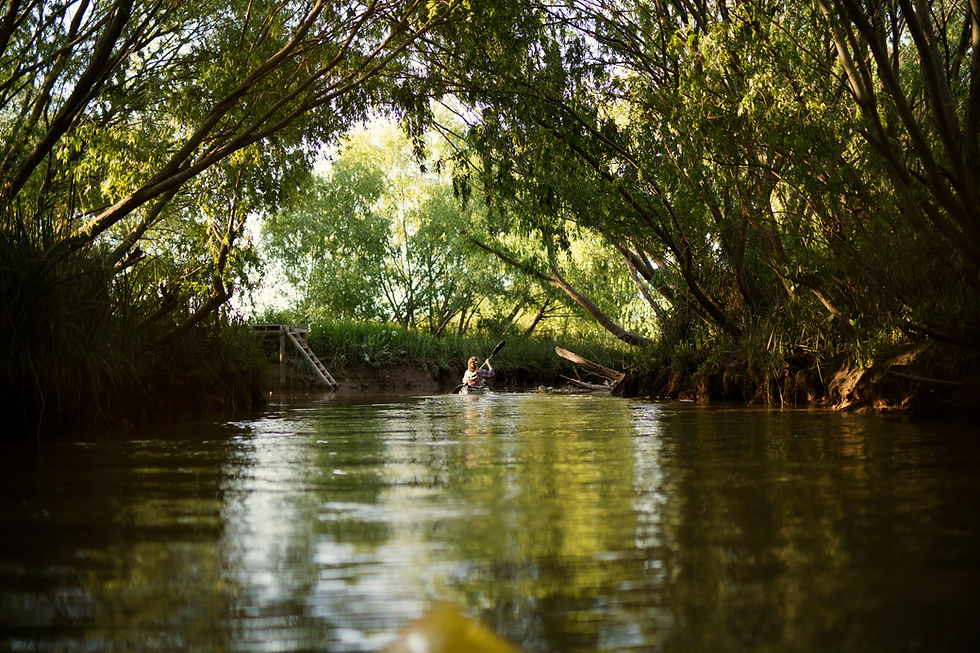
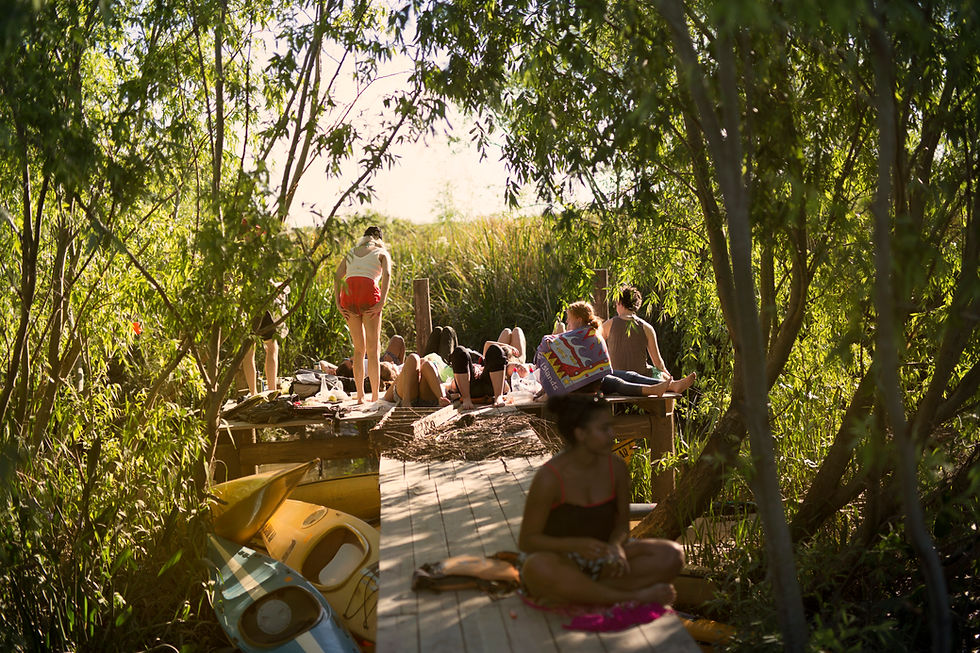
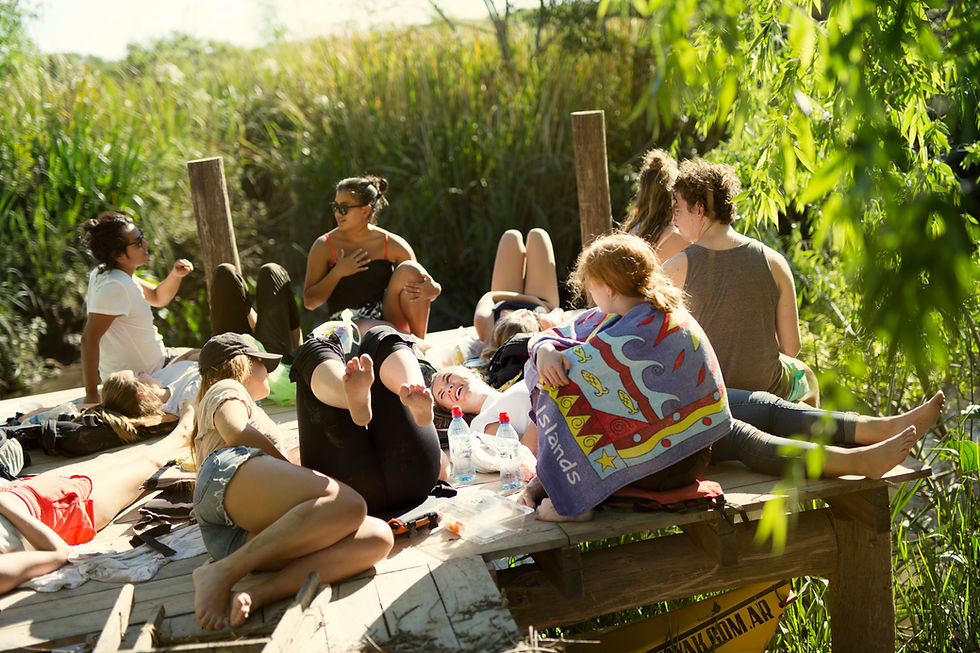
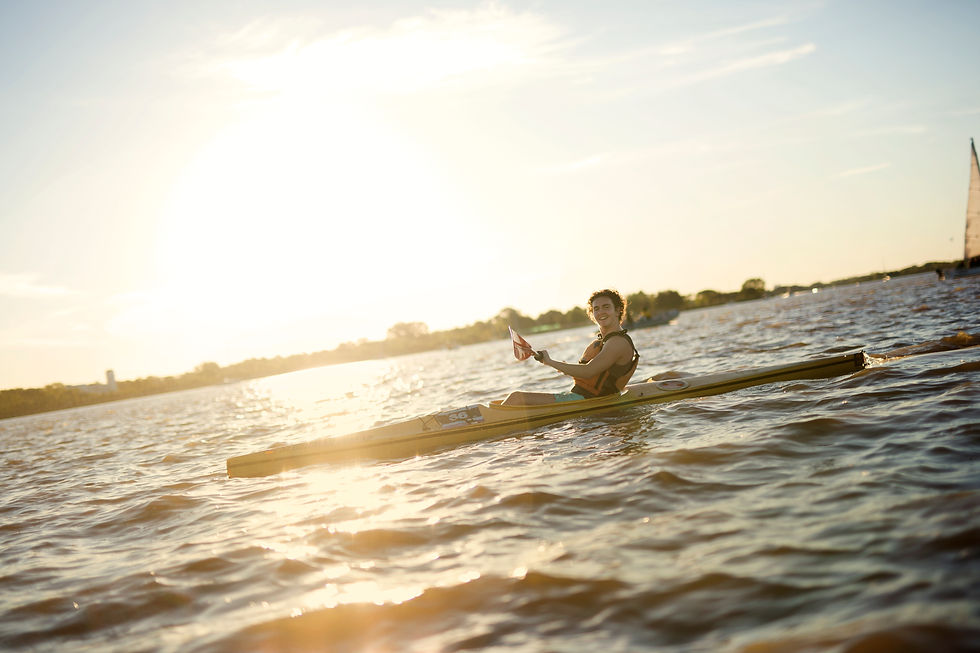
We did a trip consisting of around 7 kilometers kayaking in beautiful, sunny weather. Though we had a slightly strong wind against us at first, we stopped and had a picnic on a little dock along a narrow river channel while the wind calmed down. On the way back, the water was almost still, the sun started to set and this intense blue color painted the river.
A paddling sport car
While many had tried canoeing before, doing kayaking is slightly different. You are sitting on the bottom of the boat instead of on a seat, and the kayaks have a closed-top whereas the canoe is open. The paddles are different, with the kayak having two blades and not one. I red one place that canoes are like “pickup trucks” while kayaks are more like “sports cars”. That said, kayaks usually goes faster and are better for challenging water conditions. The origin of the kayaks where the Inuit tribes who live in Canada, Alaska and Greenland. They designed them as hunting boats.
Silver name
If you now wonder why this river is called “River of Silver”, this can be traced to the Italian explorer Sebastian Cabot, who went up the river all the way to the Paraná river and Paraguay, where he got silver from the Guaraní Indians by trading. This silver later gave the silver name of the river, according to Britannica.com. At this time different aboriginal groups lived in the area, and the Spaniards “explored” the Río de la Plata first, in 1516.










Comments